Buying your first home in Ontario involves more than saving a down payment. You also need to understand mortgage qualification, mortgage default insurance, the FHSA and RRSP Home Buyers' Plan, land-transfer-tax rebates, deposits, and the cash you actually need on closing day. This guide answers the 14 questions Ontario and GTA first-time buyers ask most often — with links to the detailed tools and guides for each.
Down Payment & Deposit
How much down payment do I need to buy a house in Ontario?
In Canada you need at least 5% on the first $500,000 of the purchase price, 10% on the portion from $500,000 to $1,500,000, and 20% on homes priced $1,500,000 or more. Example: on an $800,000 home the minimum is $25,000 (5% of $500K) + $30,000 (10% of $300K) = $55,000. Source: FCAC.
Try the mortgage calculatorCan I buy a house with 5% down in Ontario?
Yes. For homes under $500,000 you can put as little as 5% down. Between $500,000 and $1,500,000 you need 5% on the first $500K plus 10% on the rest. A down payment below 20% generally requires mortgage default insurance — provided by CMHC, Sagen or Canada Guaranty, subject to their eligibility and property requirements. Source: FCAC.
Estimate your down paymentWhat is the difference between a deposit and a down payment?
A deposit is submitted with your offer (often around 5% in the GTA) as good faith and is held in trust. A down payment is the total cash you put toward the price. Your deposit is part of your down payment — it counts toward it, so it is not an extra cost on top.
Buyer’s guideCan parents help with a down payment in Canada?
Many lenders accept a non-repayable down-payment gift from an immediate family member — including for insured mortgages. The lender normally requires a signed gift letter plus evidence of the source and transfer of the funds. Acceptable donors, documentation and timing rules vary by lender and insurer, so confirm the requirements with your mortgage professional before making an offer.
Ask about gifted down paymentsAffordability, Mortgage & Credit
How much house can I afford in Ontario?
Lenders base affordability on your income, debts and down payment using two ratios — GDS (housing costs, typically up to ~39% of gross income) and TDS (all debts, up to ~44%) — plus the federal mortgage stress test, which qualifies you at the higher of your rate + 2% or 5.25%.
Run the affordability calculatorShould I get pre-approved before viewing homes?
Yes. A mortgage pre-approval gives a preliminary borrowing estimate based on the information the lender reviews, and usually holds a rate for 90–120 days. It is not a guarantee of final approval — the lender must still approve the specific property and verify your documents and finances — but it helps you make a more informed offer and shop in the right price range. Source: FCAC.
See what you can affordWhat credit score do I need to buy a house in Canada?
There is no universal minimum credit score for every mortgage. For CMHC-insured financing, CMHC generally requires at least one borrower or guarantor to have a minimum credit score of 600. Individual lenders may set higher requirements, and your income, debts, down payment and credit history are all considered too. Source: CMHC.
Read the credit score guideCMHC Mortgage Insurance
What is CMHC insurance, and how is it calculated?
Mortgage default insurance — often called CMHC insurance, though Sagen and Canada Guaranty also provide it — is generally required when your down payment is under 20%. The premium is a percentage of your mortgage, tiered by down payment: roughly 4.00% (5–9.99% down), 3.10% (10–14.99%) and 2.80% (15–19.99%). A 0.20% surcharge applies to eligible 30-year amortizations (available to eligible first-time buyers and eligible new-build purchases). The premium is added to your mortgage; in Ontario the 8% PST on it is paid in cash at closing. Source: CMHC.
Calculate CMHC + PSTGovernment Programs — FHSA & RRSP
How does the FHSA work when buying a home?
The First Home Savings Account (FHSA) lets you contribute up to $8,000 per year to a $40,000 lifetime limit. Contributions are tax-deductible (like an RRSP) and qualifying withdrawals to buy your first home are completely tax-free (like a TFSA) — the best of both accounts. Source: CRA.
Read the full FHSA guideCan I use my RRSP to buy my first home?
Yes — through the Home Buyers’ Plan (HBP) you can withdraw up to $60,000 from your RRSP tax-free to buy or build a qualifying first home. The funds must have been in the RRSP for at least 90 days, and you repay the amount to your RRSP over 15 years. Source: CRA.
First-time buyer savings guideLand Transfer Tax & Rebates
Do first-time homebuyers pay land transfer tax in Ontario?
First-time buyers do pay Ontario land transfer tax (and, in the city of Toronto, an additional municipal land transfer tax) — but they qualify for rebates that offset part or all of it. The tax is calculated on the purchase price using graduated brackets and paid on closing day. Source: Ontario.ca.
Land transfer tax calculatorWhat first-time homebuyer rebates are available in Ontario?
Key rebates include the Ontario land transfer tax rebate (up to $4,000), the City of Toronto municipal LTT rebate (up to $4,475), the federal First-Time Home Buyers’ Tax Credit (up to $1,500), plus the FHSA and RRSP Home Buyers’ Plan. New-build purchases may also qualify for a GST/HST new-housing rebate.
See the LTT rebateClosing Costs & Cash to Close
What are the closing costs for buying a house in Ontario?
As a general planning estimate, Ontario buyers may budget approximately 1.5%–4% of the purchase price for closing costs. The actual amount varies significantly by purchase price, municipality, property, mortgage-insurance requirements and buyer eligibility. Typical items include land transfer tax, legal fees, title insurance, a home inspection, an appraisal, PST on mortgage default insurance (if insured), and adjustments (prepaid property tax/utilities). This is a planning estimate, not a government rule or guaranteed amount.
Closing cost calculatorHow much cash do I need on closing day?
Your closing-day cash is: your remaining down payment (after the deposit you already paid) + land transfer tax (less any rebate) + PST on CMHC insurance + legal fees, title insurance and adjustments. Note the CMHC premium itself is added to your mortgage, not paid in cash — so don’t double-count it.
See “Cash Required at Closing”Mortgage Documents
What documents do I need for a mortgage pre-approval in Ontario?
For a pre-approval, lenders and brokers generally review your identification, income and employment, down-payment and closing-cost funds, and existing debts. Salaried buyers typically show an employment letter, recent pay stubs and sometimes T4s or Notices of Assessment; self-employed buyers show tax returns and business documents. Exact requirements vary by lender — confirm your list with a licensed mortgage professional. Source: FCAC.
See the full document checklistDoes a mortgage lender need my SIN?
You do not have to provide your SIN to apply for a mortgage — the Government of Canada confirms a SIN card or letter is not identification. A lender may ask for it to help match your credit file, but you can ask why it is needed, how it will be protected, and whether another identifier can be used. Never share your SIN through unsecured email or messaging. Source: Canada.ca.
Identification & privacy detailsDo I need to provide my own Equifax credit report?
Usually no. With your written or electronic consent, the lender or mortgage broker obtains your credit report directly. You can review your own credit reports for errors before applying, but the lender will still run its own credit inquiry — you generally do not have to buy or submit your own Equifax or TransUnion report. Source: FCAC.
Credit authorization detailsHow many months of bank statements are needed for a mortgage?
There is no single rule. Lenders commonly ask for about 90 days of transaction history for the accounts holding your down payment and closing funds, but the period varies by lender, insurer and the source of funds. Keep a clear paper trail and avoid moving large sums between accounts without documentation.
Down-payment document listWhat mortgage documents do self-employed buyers need?
Self-employed buyers typically provide two years of personal Notices of Assessment and T1 General returns, business registration or incorporation documents, and often T2125 statements, business bank statements or accountant-prepared financials. Requirements differ substantially between traditional income qualification, stated-income programs and incorporated businesses — confirm your list with a licensed mortgage professional.
Self-employed checklistWhat documents are needed after an offer is accepted?
After acceptance, the lender usually needs the signed Agreement of Purchase and Sale (with schedules), the MLS listing, your deposit receipt, property-tax and condo details where applicable, possibly an appraisal, your lawyer’s information, and proof of home insurance before funding. A pre-approval is not final property approval — the lender must still review the property and documents.
Property-specific documentsWhat documents do I need if I already own a rental property?
If you own other property, lenders generally ask for current mortgage statements, recent property-tax bills, lease agreements, proof of rental income, and often two years of T1 General returns with the rental schedule (Statement of Real Estate Rentals). Condo-fee statements and property insurance may also be requested.
Property-owner checklistHow should I securely send mortgage documents?
Use your lender or broker’s secure upload portal whenever possible. Never send identification, tax documents, bank statements or SIN information through unsecured email or messaging apps. If you must email, ask your lender for a secure method — protecting these documents helps prevent identity theft and fraud. Source: Canada.ca.
Privacy & security tipsFirst-Time Homebuyer Mortgage Document Checklist for Ontario
Courtesy of Tej Thakor, Broker of Record — Royal LePage Terra Realty · 647-684-1731
https://tejthakor.ca/first-time-buyer-faq-ontario/ · Last reviewed July 14, 2026
Mortgage lenders and brokers generally ask for documents that verify your identity, income, employment, down payment, debts and the property you intend to buy. The exact checklist varies by lender, mortgage insurer, employment type, down-payment source and property, so confirm the final requirements with your bank or licensed mortgage professional. Source: FCAC.
A. Identification & credit authorization
- Two pieces of valid government-issued identification, following the lender’s requirements
- At least one valid photo ID (driver’s licence, passport or eligible provincial ID)
- Proof of Canadian residency or immigration status only when required for the mortgage program
- Current residential address and address history, when requested
- Signed consent allowing the lender or mortgage broker to obtain a credit report
Protect your personal information: Your SIN is confidential and a SIN card or confirmation letter is not an identification document. The Government of Canada says you do not have to provide your SIN to apply for a mortgage. A lender may ask for it to help match a credit file, but you should ask why it is needed, how it will be protected, and whether another identifier can be used. Never send SIN information, identification, tax documents or bank statements through unsecured email or messaging. Protect your SIN — Canada.ca.
The lender or mortgage broker will normally obtain your credit report after receiving written or electronic consent. You may review your own credit reports for errors before applying, but the lender may still perform its own credit inquiry — you generally do not need to buy or submit your own Equifax report.
B. Documents for salaried or hourly employees
- Recent employment letter on the employer’s letterhead
- Job title or position, and employment start date
- Employment status (full-time, part-time, permanent, temporary, probationary or contract)
- Current salary, or guaranteed hours and hourly wage
- Recent pay stubs — commonly the latest two, though the lender may request more
- Recent T4 slips, when requested
- The last two years of Notices of Assessment, when requested
- Additional evidence for bonuses, overtime, commissions or variable income
Recency requirements vary by lender — there is no universal “last two months of pay stubs” rule.
C. Down-payment & closing-cost documents
- Recent bank or investment statements showing the down payment and closing-cost funds
- Statements for every account contributing to the funds, with account holder names and numbers
- Transaction history showing the source of any large deposits
- Gift letter and proof of transferred funds for a gifted down payment
- FHSA withdrawal documentation, when applicable
- RRSP Home Buyers’ Plan documentation, when applicable
- Sale agreement and proof of proceeds when funds come from another property
- Evidence of the deposit already paid with your purchase offer
Lenders may request 90 days (or another period) of transaction history depending on the lender, insurer and source of funds. Avoid moving large sums between accounts without keeping a clear paper trail.
D. Debts & financial obligations
- Credit cards and lines of credit
- Car loans or leases
- Student loans and personal loans
- Child or spousal support obligations
- Co-signed or guaranteed debts, and any other mortgages
- Monthly condominium fees, where applicable
The lender may obtain some of this from your credit report but can request supporting statements.
E. Documents required after an accepted offer
Generally not required for an initial pre-approval:
- Signed Agreement of Purchase and Sale, including all schedules and amendments
- MLS listing and deposit receipt
- Property-tax information, when requested
- Condominium details, including maintenance fees and status certificate where applicable
- Appraisal, if required by the lender
- Well, septic, zoning, rental or other property documents where applicable
- Lawyer’s contact information
- Proof of home insurance before funding
A mortgage pre-approval is not final property approval — the lender must still review the purchase agreement, property and all supporting documents.
F. Additional documents for self-employed applicants
- Business registration or master business licence; articles of incorporation where applicable
- Business number
- Last two years of personal Notices of Assessment and T1 General returns
- T2125 Statements of Business or Professional Activities, where applicable
- Corporate financial statements and corporate tax returns, where requested
- Business bank statements, where requested
- Proof that income taxes are paid and up to date
- Contracts, invoices or other evidence of continuing income; accountant-prepared financials when applicable
Requirements differ substantially between traditional income qualification, stated-income programs and incorporated businesses.
G. Additional documents when you own other properties
- Current mortgage statements for every property
- Recent property-tax bills
- Lease agreements for rental properties, and proof of rental income
- Condominium fee statements, where applicable
- Last two years of T1 General returns with the Statement of Real Estate Rentals (or relevant schedule)
- Accountant-prepared rental-income statements, where available
- Property insurance information, when requested
- Details of secured lines of credit attached to the properties
H. Special income situations
Additional documents may be required for:
- Commission income, bonuses and overtime
- Contract or temporary employment
- Pension or disability income
- Maternity or parental leave
- Child support or spousal support income
- Rental or investment income
- Newcomers to Canada
- Co-signers or guarantors
These situations do not have universal requirements — confirm exactly what’s needed with your lender or licensed mortgage professional.
Tej Thakor is a real-estate professional, not the mortgage lender or underwriter. This checklist is educational and does not collect or store any of your documents — always send documents through your lender’s secure portal.
Key takeaways for Ontario first-time buyers
- Minimum down payment is tiered: 5% up to $500K, 10% on $500K–$1.5M, 20% at $1.5M+.
- Your deposit is part of your down payment — it isn’t an extra cost.
- Under 20% down means mortgage default insurance (CMHC, Sagen or Canada Guaranty); in Ontario you pay 8% PST on the premium in cash at closing.
- The FHSA (up to $40K) and RRSP Home Buyers’ Plan (up to $60K) are the two biggest savings tools.
- First-time buyers pay land transfer tax but qualify for rebates (up to $4,000 Ontario + $4,475 Toronto).
- Budget ~1.5%–4% of price for closing costs on top of your down payment.
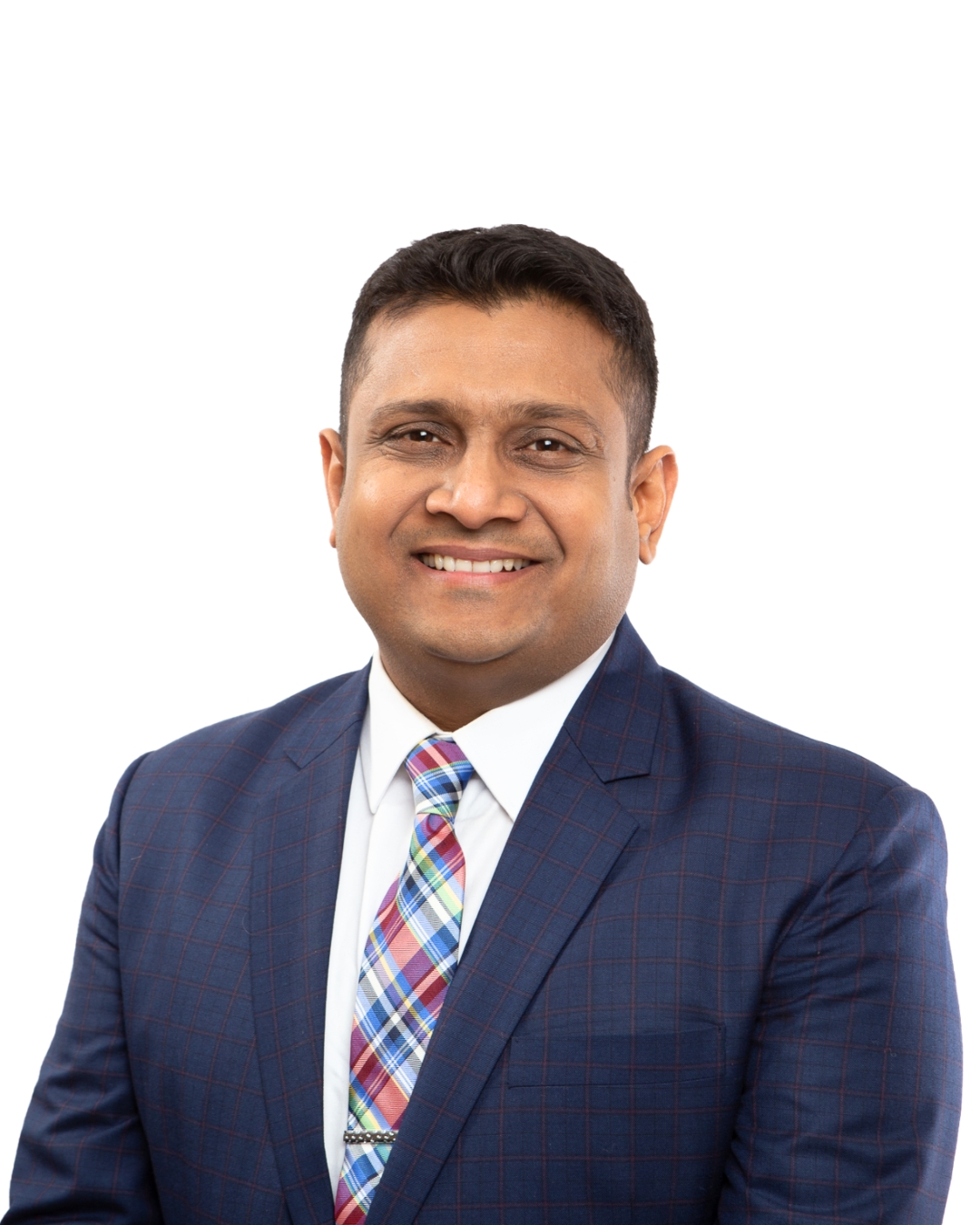
“Most first-time buyers I work with are surprised by how much cash they need on closing day versus what’s financed into the mortgage. Getting these numbers straight early — before you fall in love with a home — is what makes the whole process calm instead of stressful.”
Sources & official resources
- Minimum down payment — Financial Consumer Agency of Canada
- Mortgage default insurance & premiums — CMHC
- Credit score for insured mortgages — CMHC Quick Reference
- First Home Savings Account (FHSA) — Canada Revenue Agency
- RRSP Home Buyers' Plan — Canada Revenue Agency
- Ontario land transfer tax refund — Government of Ontario
- Toronto municipal land transfer tax rebate — City of Toronto
- Mortgage pre-approval & qualification — Financial Consumer Agency of Canada
Educational information only — not mortgage, financial, tax or legal advice. Figures reflect Government of Canada, CRA, CMHC, Government of Ontario and City of Toronto rules as of July 14, 2026 and can change. Programs, limits, rates and rebates vary by buyer and property — always confirm current details with a licensed mortgage professional, real estate lawyer or accountant before making decisions.
Ready to make a plan for your first home?
Get honest, no-pressure guidance for buying in the GTA — in English, Hindi or Gujarati.
Book a Free Consultation See What I Can Afford